

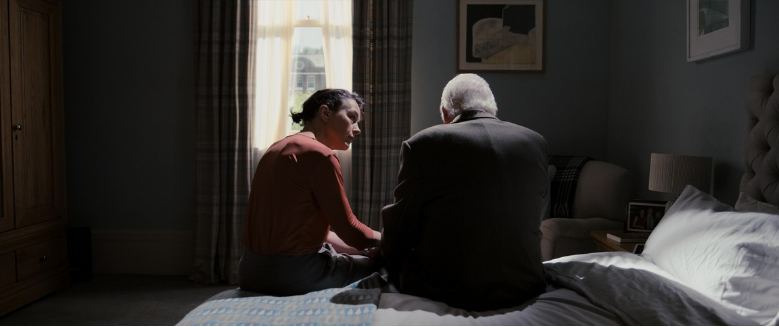
When an unraveling life coach and her reckless twin brother return home to care for their ailing parents, they’re pulled back into the dysfunction that shaped them and are forced to reckon with the lives they never fully lived.
Bridget Walsh, a polished but unraveling life coach in the middle of a divorce, is used to fixing other people’s lives, just not her own. Her fraternal twin, Brian, is her charming, chaotic opposite who is unemployed, unfiltered, and barely holding it together.
When their mother falls ill, their Los Angeles lives are uprooted as they return to their hometown of New Bedford, MA to find their father declining, their childhood house crumbling, and the family dysfunction still alive and well.
Faced with the fallout of their parents’ secrets and lingering childhood trauma, Bridget clings to control while Brian avoids everything. As caretaking turns to reckoning, they must decide what to carry forward, and what to finally let go.
What They Left Us is an emotionally rich portrait of a dysfunctional family, told with honesty and humor, about grief, guilt, and growing up… just a few decades too late.
“The script ends beautifully… jagged, honest and emotional. It’s a gorgeous note to end on. All this is to say nothing of just how funny the film is too, and how much that endears us to these characters.”
-The Black List
The Director's Vision
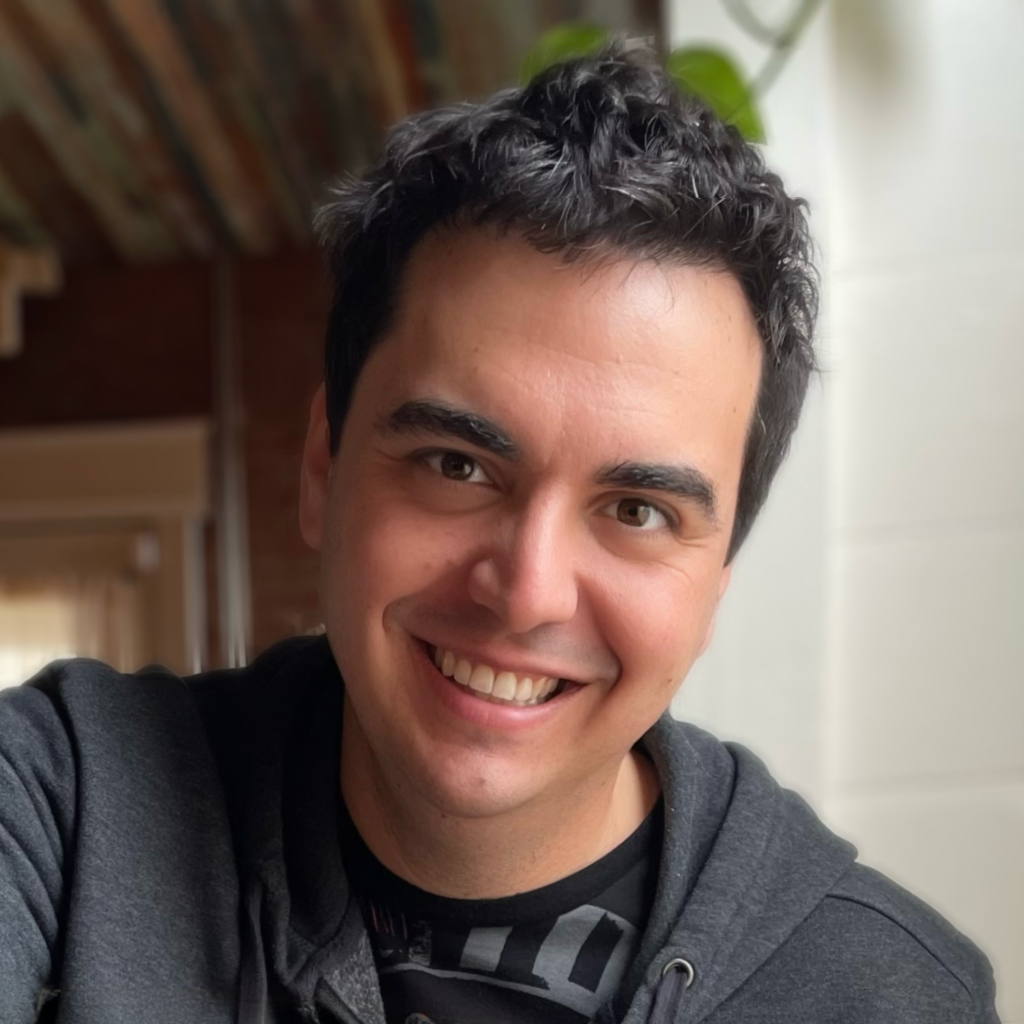
What They Left Us is, at its heart, a story about standing at the threshold of an experience that is as inevitable as it is universal: the decline & loss of one’s parents. From the first time I read an early draft of the script, this resonated with me. Much like the characters in this film, I myself am at the start of confronting the reality that our parents are aging, our time with them is finite, and that loving someone with whom you have a complicated history is both beautiful and bittersweet.
In my own life, my father is beginning to show the first signs of decline, and as we build a stronger relationship in adulthood, I find myself drawn to this story out of both curiosity and fear. What happens when you realize you can’t control everything, and that perfectionism and busyness must give way to the messy, inevitable reality of loss & love?
Tonally, I want the film to feel deeply grounded. I want to capture the laughter, the grief, the tenderness, the tension, and the weight of inevitability that builds until it demands release. I have a vision, but I am not coming to this story with answers. I am coming to it as someone who is asking these questions. And I hope that honesty will resonate with anyone who has ever had to navigate the complexity of loving imperfect people in an imperfect world.
-Justin Giddings, Director
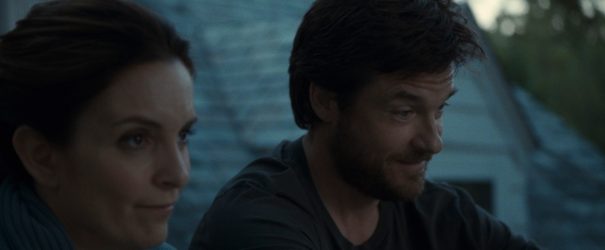
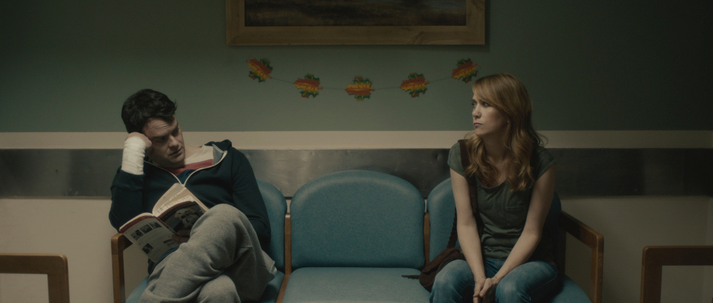
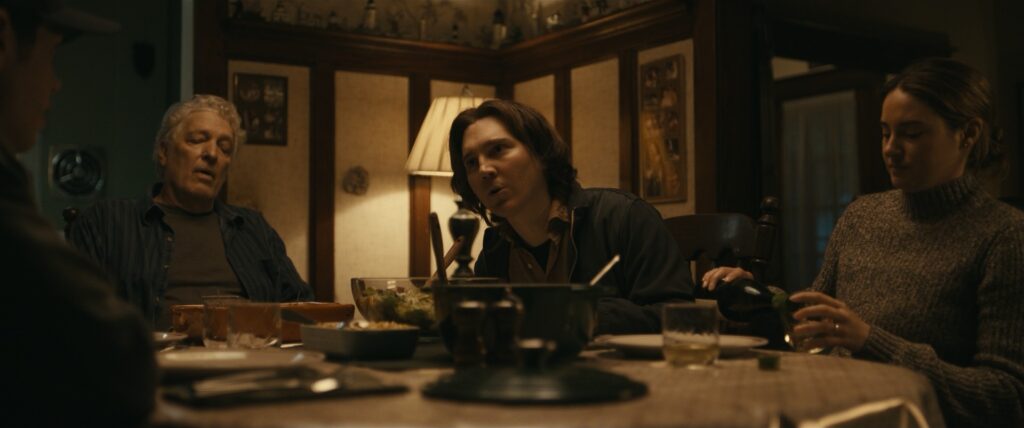
The Writers STory
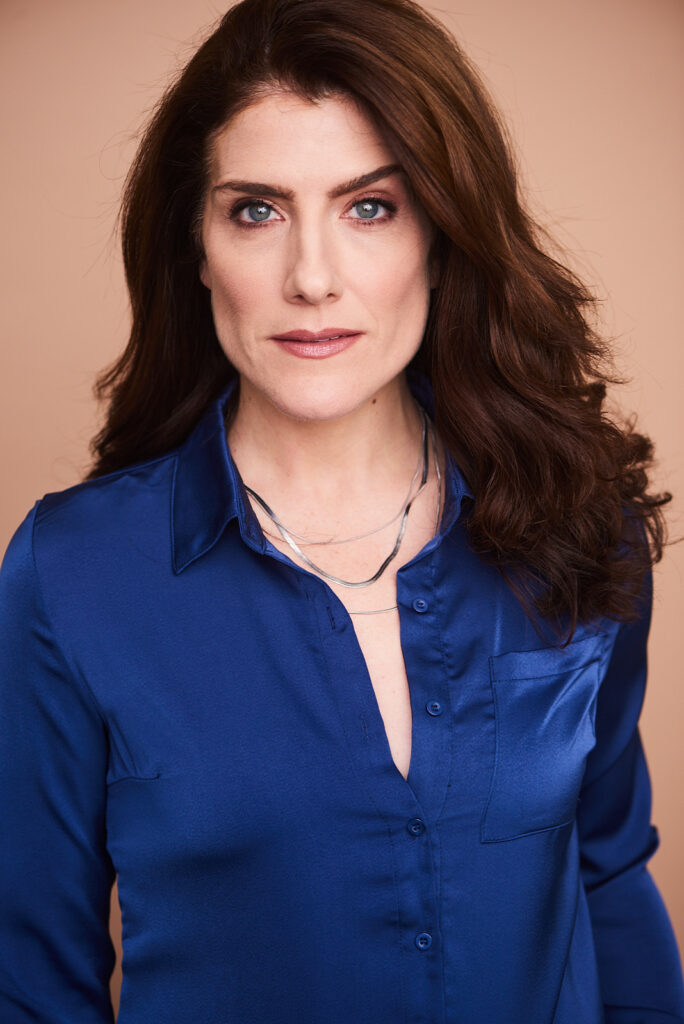
In 2018, my mom fell out of bed and was admitted to the hospital with worsening hallucinations. Two weeks later my dad died unexpectedly. My older sister is cognitively disabled, so not only did I become her guardian overnight, but I was left alone to close out my dad’s life.
My mom at that same time was diagnosed with Lewy Body dementia (that’s what Robin Williams had.) She had to be put in a nursing home at 69-years-old and had zero assets. I battled the healthcare system and the bank all while trying to salvage our broken relationship seeped in jealousy.
In the middle of my trauma, as overwhelmed as I was, I knew I wasn’t the only one going through this or who will go through it. I realized that many Baby Boomers were dying with their health and finances shrouded in secrets. And us GenXer’s are left to pick up the pieces as we try to help while coping with flawed survival strategies learned from childhood. I knew there was a story here to be told.
-Jodie Bentley, Co-Writer & Producer
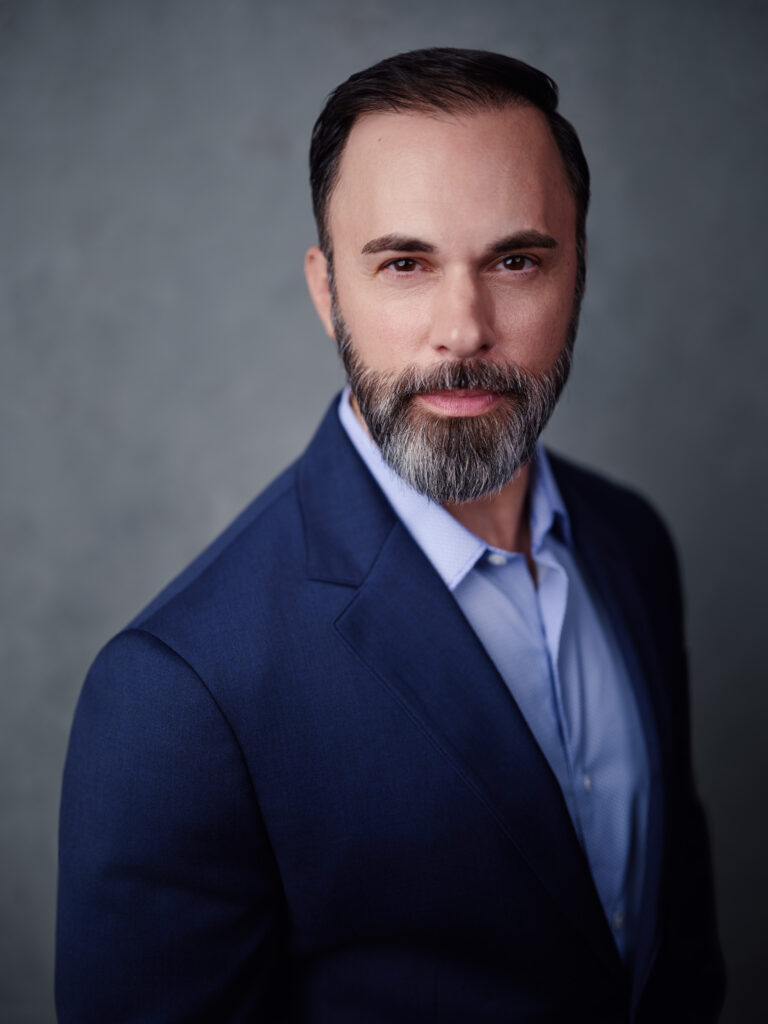
I was never able to secure a loving connection with my father until his untimely death from leukemia. In the wake of that, I had to come to terms with the fact that as an adult, I blocked that loving connection that I so desperately wanted because I was still living my life from the vantage point of his misunderstood son.
When a parent of an LGBTQIA+ identifying person passes away, we often mourn them twice. Once, for the relationship that ended, and then again for the relationship that we always wanted but perhaps never had. On the flip side, however, we have the gift of being able to change our perspective on ourselves to a healthier one. And that change opens the door to a deeper understanding of our parents, where there is compassion, freedom, and pride waiting on the other side.
This project is dedicated to anyone who is seeing their imperfections, and learning to not only accept, but also to celebrate them.
-James Tabeek, Co-Writer
Why NOW
63 Million Americans are Caregivers Right Now
According to an AARP July ’25 report.
Everyone will go through that at some point – losing a parent. And if we’re really honest with ourselves, none of us are really equipped to handle it.
We knew we had to write something. Not only about the concept of loss – loss of a parent, loss of the child/parent dynamic, slow loss of a parent due to dementia, loss of life as you knew it, and loss of self – but also a commentary on the American healthcare system, the invisibility of the elderly, and the financial and emotional strains on aging blue-collar families.
We wanted an honest portrayal of the emotional and practical challenges of caregiving and family trauma, but with a message of hope, resilience, and personal growth… and dare we say, a whole lot of humor. If we don’t see the humor in it, then it’s all just too much.
Industry PRAISE


